

A Comprehensive Guide to Choosing Jazz Shoes: Everything You Need to Know
Jazz dance is a very popular style of dance and having the correct jazz shoes is an essential part of many dancers’ wardrobes. Whether you’re a beginner or a seasoned performer, understanding what jazz shoes are, the different types available, and how to care for them can help you get the most out of your footwear. This guide covers everything you need to know about jazz shoes, from their materials to sizing tips.
What Are Jazz Shoes?
Jazz shoes are a type of footwear designed specifically for jazz dancing, though they’re also used in other forms of dance, including contemporary and modern dance genres. Other groups also wear jazz shoes, including cultural dance groups such Armenian dance and The Australian Girls Choir.
These shoes are made for flexibility, comfort, and ease of movement. Jazz shoes typically have a soft, lightweight structure that allows dancers to move their feet freely, providing the right balance of support and agility for quick footwork, jumps, and spins. They also have a small heel and a thin, flexible sole (often split soles), that enhances traction while allowing the dancer to feel the floor, a crucial aspect for executing various jazz movements.
Different Types
While the basic design of jazz shoes remains consistent, there are a few variations that cater to different needs, preferences, and styles of dance:
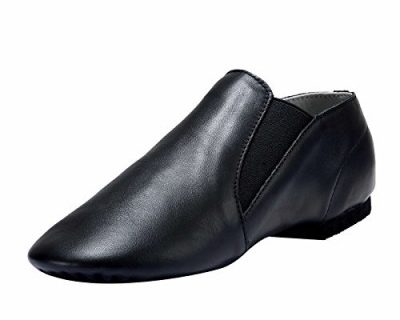
- Slip-On
The classic slip-on design is easy to put on and take off, making them a popular choice for casual practice. These shoes have an elastic band or stretchable fabric over the top or inserted into the sides, so they fit snugly around the foot without laces or straps. - Laced
Laced jazz shoes offer more adjustability and a secure fit, making them a good choice for dancers who prefer a more customized, tight fit. These shoes often have a lace-up front, similar to athletic sneakers, and may provide slightly more support for the ankle. - Split-Sole
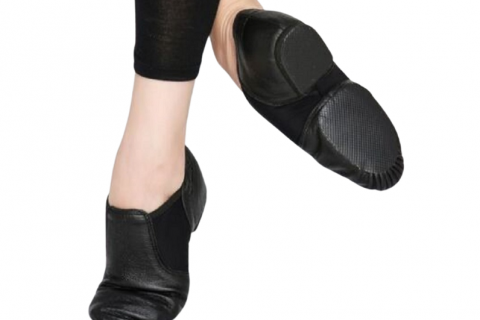
Split-sole jazz shoes have two separate pieces on the sole—one for the toe and one for the heel—allowing for more flexibility and better articulation of the foot. Dancers often prefer these for their range of motion, especially when doing high-intensity movements. - Full-Sole
Full-sole on the other hand, provide more structure and support. These are typically recommended for beginners or dancers who need extra stability while learning the basics of jazz dance. - Bootie-Style
A modern variation, these shoes resemble a boot with a high top and a more snug fit around the ankle. They’re great for advanced dancers or those who prefer additional ankle support during their performance.
To see the range of jazz shoes click here Jazz Shoes.
Materials Used
Jazz shoes are made from a variety of materials, each chosen for its specific properties to enhance comfort, durability, and performance:
- Leather: Leather jazz shoes are durable, breathable, and meld to the shape of your feet over time. They offer a balance between flexibility and support, making them suitable for both beginners and advanced dancers. If cared for well, leather offers a robust and long lasting option.
- Canvas: Lighter and more breathable than leather, canvas shoes are flexible and comfortable, making them a good choice for warmer climates or dancers who want something more lightweight or more affordable.
- Suede: Suede soles are often used for their slip-resistant properties, allowing dancers to glide across the floor with ease while still maintaining control. The upper part of the shoe is often made of leather or fabric for comfort.
- Synthetic Materials: Some jazz shoes are made from synthetic leather called PU, or other man-made materials, which can be more affordable while still offering adequate durability and flexibility.
Main Colours
Jazz shoes traditionally come in a few basic colors that suit a range of dance styles:
- Black: The most classic and versatile color, black jazz shoes are a staple in dance studios and performances. They complement almost any dancewear and are suitable for both men and women.
- Tan: Tan jazz shoes are especially popular for jazz and contemporary dance because they blend seamlessly with the skin tone, giving the illusion of a longer leg line. They’re often worn in performances where uniformity and aesthetics are key.
- Pink: While less common, pink jazz shoes may be seen in contemporary and modern classes or in performances that require a specific look. They’re usually made of soft leather or satin. Other colours can be seen, often these have been dyed by the dancer or studio for a specific performance.
Cost
Jazz shoes generally range in price from $30 to $90, depending on the brand, material, and style. For a basic pair of leather jazz shoes, you can expect to pay around $40, while premium options made of high-quality leather or with specialized soles may cost between $60-$90. If you’re just starting out or purchasing for a class, a lower-cost pair will suffice. However, if you’re planning to perform regularly or need something more durable, it’s worth investing in a higher-end pair.
Who Uses Jazz Shoes and When Are They Needed?
Jazz shoes are used by dancers in various genres, though they’re most commonly associated with jazz dance, of course. Dancers who perform hip hop, contemporary, lyrical, and even some types of modern ballet often wear jazz shoes. They’re essential for any performance or practice session where flexibility, quick movements, and comfort are a priority.
They’re worn during class, rehearsals, and performances. In many dance schools, jazz shoes are part of the required attire for students in jazz and contemporary dance classes, while other styles like hip hop or ballet might require different footwear such as dance sneakers or dance booties.
How Should Jazz Shoes Fit?
Proper fit is essential when choosing your shoes, as an ill-fitting pair can not only be uncomfortable but also interfere with your dancing performance. Here’s what to look for in the perfect fit:
- Snug but Not Tight
Jazz shoes should fit snugly around the foot without pinching or causing discomfort. The shoe should feel like a second skin, hugging the foot and allowing for full range of motion. However, it’s important that the shoe isn’t so tight that it cuts off circulation or causes blisters. There should be no excess space in the toe area, but it shouldn’t feel cramped either. - Flexibility and Freedom
Because jazz shoes are designed to allow for flexibility, it’s important that they feel like they’re part of your foot. The shoe should bend and move with you as you flex, point, or roll through your foot. When you try them on, test out a few basic dance moves or stretches to see how the shoe reacts. If it feels restrictive in any way, it may be the wrong fit or the wrong style. - Heel Fit
The heel area should fit securely, without slipping off your foot. If your heel lifts out of the shoe when walking or dancing, the fit is too loose. However, the shoe should still allow some natural movement without feeling overly stiff. A well-fitted heel is especially important for supporting jumps and quick direction changes. - Toe Box Fit
The toe area should allow your toes to move freely, but there shouldn’t be excess space. For a split-sole jazz shoe, the sole should separate at the ball of the foot, allowing for a natural arch and toe flexibility. For full-sole shoes, the toes should not feel squashed at the front of the shoe but should be able to flex easily. - Consider Sock or Barefoot Fit
Jazz shoes are generally worn without socks, but if you prefer to wear thin dance socks or footies, make sure to try the shoes on with them to ensure they still fit properly. Sometimes a snug shoe may feel too tight with socks, so it’s important to factor in any extra layer when determining size. - Break-In Time
Leather jazz shoes may feel a bit stiff when new but should meld to your feet with wear. This process takes time, so if they feel a bit snug at first, they will likely loosen up after a few classes or rehearsals. However, they should never feel painfully tight. If they do, you may need to size up.
For further help on getting the right fit for your jazz shoes click here Guide to getting our ballet and jazz shoe size right.
What Dancewear Do You Wear With Jazz Shoes?
Jazz shoes are typically worn with tights, leggings, or leotards. For performances or competitions, dancers often pair jazz shoes with costumes that complement the overall look, which may include skirts, pants, or even dance shorts. The key is to ensure that your attire allows for maximum flexibility and doesn’t interfere with the shoe’s performance.
Do You Need Socks with Jazz Shoes?
Although jazz shoes are designed to be worn without socks to ensure a snug fit and maximum freedom of movement, many dancers will wear dance socks. If you’re concerned about hygiene and odour or prefer extra comfort, you can wear dance socks which are thin fitted socks designed to be worn with dance shoes. There are also microfibre socks, no-show socks or footie socks designed for dance. Some dancers opt for dance tights, which will also cover the feet.
How to Get the Correct Size When Buying Jazz Shoes Online
Finding the right size for your jazz shoes is essential for comfort and performance. Here’s how to ensure you get the correct fit when buying online:
- Measure Your Feet: We recommend that stand on paper and trace around both feet and then use a ruler or measuring tape to measure the length of your foot from back of heel to end of longest toe. Make sure to measure both feet, as one foot might be with a small heel larger than the other.
- Wriggle Room: There often needs to be a small amount of extra room so most of our jazz shoes we recommend you add 1cm to your foot length to get the correct size.
- Check the Size Chart: Different brands may have slight variations in sizing, so always consult the brand’s specific size chart. On our website this is included in each product description. Compare your measurements to the chart to select the most appropriate size. Choose larger rather than the smaller size if your foot length is not an exact match to the chart.
- Consider the Fit: Jazz shoes should fit snugly but not be too tight. They should hug your foot and allow for natural movement without pinching or restricting circulation.
- Comparing to Street Shoe Size: Balletstuff jazz shoes are usually one size down from street shoe/school shoe size as they are a snug dance shoe and do not need the same amount of extra room as a street shoe requires.
- Foot Width: Consider the width of your feet. Most dance shoes come in a standard C width, so if you have particularly narrow or wide feet, this will influence your shoe style choice and sizing. Allow a little less room for a narrow foot and consider a lace up style, while for a wide foot you many need a neoprene style which has an elastic band around the shoe or to add a little more wriggle room.
- Read Reviews: Customer reviews can give you insight into how the shoes fit and whether they run small or large. This can be especially helpful when purchasing from brands you haven’t used before.
Our detailed jazz shoe sizing guide can be found here Guide to getting our ballet and jazz shoe size right.
How to Store and Care for Jazz Shoes
Proper care can extend the life of your jazz shoes. Here’s how to keep them in top shape:
- Clean Regularly: After each use, wipe down your shoes with a damp cloth to remove dirt, sweat, and grime. If you’re using leather shoes, consider applying a leather cleaner and conditioner to keep the material supple.
- Air Dry: Avoid putting jazz shoes in the dryer or leaving them in direct sunlight, as this can damage the material. Instead, let them air dry at room temperature.
- Store Properly: Keep your shoes in a cool, dry place away from humidity. If they’re canvas, you can store them in a breathable shoe bag to protect them from dust. Leather shoes should be stored in a way that helps them maintain their shape, like in a shoe box with some tissue paper inside.
- Replace When Needed: Over time, the soles of your jazz shoes will wear down, especially with frequent use. If you notice reduced grip or discomfort, it may be time to replace them.
- Inside Shoes: Remember that jazz shoes are inside shoes, please dont wear them outside or get them wet.
To find out more about how to care for your jazz shoes click here How to Care for and Clean Your Ballet, Jazz & Tap Shoes.
What Jazz Shoes Are Best for Beginners?
If you’re new to dance, selecting the right pair of jazz shoes is key to ensuring a comfortable and supportive experience as you learn the basics. As a beginner, you’ll want shoes that are easy to wear, provide ample support, and offer a good amount of flexibility for your footwork. Here are some recommendations for the best jazz shoes for beginners:
- Slip-On
Slip-on jazz shoes are easy to put on and take off, making them a convenient option for beginners who might not be familiar with lacing up their shoes properly in the middle of a class. These shoes are usually elasticized or have a stretchy upper, so they’ll conform to the shape of your foot for a comfortable fit. - Canvas
For a lightweight, breathable option, canvas shoes are ideal. They’re more flexible and less stiff than leather shoes, making them comfortable for long practice sessions. Canvas shoes also tend to be more affordable, which is another reason they’re popular among beginner dancers. Their soft fabric construction means they’ll meld to your foot over time, giving you a snug and comfortable fit as you progress in your dancing skills. - Split-Sole Shoes (for flexibility)
Some beginners may prefer split-sole shoes for the added flexibility they offer. While these shoes are generally more flexible than full-sole shoes, they still provide enough support for newer dancers. Split-sole shoes allow for more articulation in the foot, so dancers can better feel the floor and practice foot movements like pointing or flexing. However, because they’re more flexible, split-sole shoes may take some getting used to. - Consider Comfort Over Style
As a beginner, comfort should be your number one priority. While style and brand can be tempting factors to consider, make sure you focus on shoes that feel comfortable on your feet and offer the right amount of support. Avoid shoes with too much arch or those that feel too tight in the toe or heel area. A snug, comfortable fit will help you focus on your technique without worrying about your feet.
By choosing one of these beginner-friendly options, you’ll be able to focus on learning the basics of jazz dance without being distracted by uncomfortable or ill-fitting footwear. As you progress and develop your technique, you can explore different styles, but for now, go with a pair that supports your learning and feels good on your feet.
Conclusion
Jazz shoes are a vital piece of equipment for dancers, providing comfort, flexibility, and support for a range of dance styles. Whether you’re looking for the best pair for practice or performance, understanding the different types of shoes, how to choose the right size, and how to care for them will help you get the most out of your footwear. With the right pair of dance shoes, you’ll be ready to dance your heart out!
Where to Buy Jazz Shoes?
At Balletstuff we have been selling our range of quality jazz shoes online Australia-wide since 2008. We have sold thousands of jazz shoes and we aim to provide quality affordable dance shoes to families. To see our full range click here Jazz Shoes – Balletstuff.


Leave a comment
You must be logged in to post a comment.