

The Ultimate Guide to Choosing the Right Dancewear for Your Style (Ballet, Jazz, Hip-Hop, Tap & More)
For Australian Families
Whether your child is just beginning their dance journey or you’re a seasoned dance parent, choosing the right dancewear can feel overwhelming. Each dance style has its own expectations, technical requirements, and comfort considerations—not to mention the variations between studios across Australia.
This guide breaks down everything you need to know about selecting the perfect dancewear for your dancer’s age, level, and style, so they can feel confident, comfortable, and ready to shine.
Why Choosing the Right Dancewear Matters
Dancewear isn’t just about looking the part. The right clothing ensures:
- Freedom of movement
- Safety and technique support
- Confidence and self-expression
- Studio compliance
- Durability throughout Australia’s active dance seasons
Investing in quality pieces can help your child move better, learn faster and stay comfortable during long classes and rehearsals.
-
Ballet Dancewear Essentials
Ballet has the most structured dress code of all dance styles. While Australian studios vary, most follow traditional guidelines.
✔ Leotards
- Usually in a specific colour per level (pink, black, navy, lavender).
- Choose breathable, good-quality fabric (cotton blend, tactel or microfiber).
- Camisole, short-sleeve, long-sleeve, or tank depending on climate & studio.
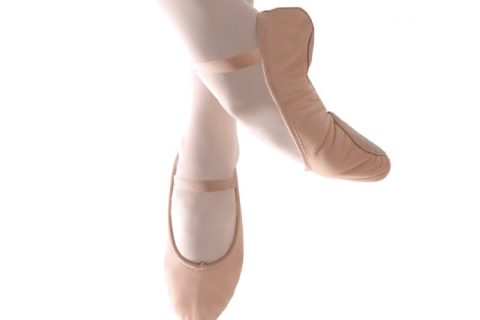
✔ Tights
- Classic pink ballet tights for girls.
- Convertible tights are popular for versatility (ideal for changing quickly or pointe prep).
✔ Shoes
- Girls: Pink leather or canvas ballet flats
- Boys: Black or white flats
- Split sole for flexibility, full sole for younger dancers to build strength.
✔ Hair
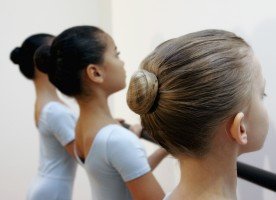
- Neat bun is often mandatory.
- Use bun nets, pins and hairspray (especially for concert season).
✔ Optional
- Ballet skirts (if allowed)
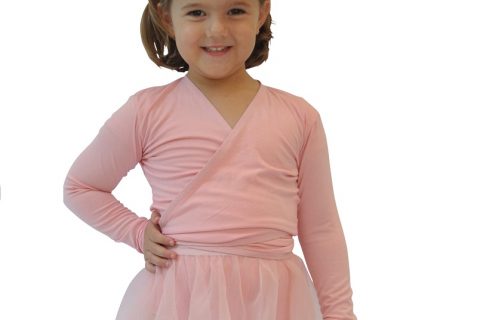
- Warm-up shrugs & leg warmers for winter
- Pointe shoes (for advanced dancers only, with teacher approval)
-
Jazz Dancewear
Jazz offers more flexibility and modern options while still requiring structure.
✔ Clothing
- Fitted leotard or crop top + leggings/shorts.
- Choose stretchy materials that move with the body.
- No loose clothing (teachers need to see lines and posture).
✔ Shoes
- Jazz shoes: Black or tan slip-on or lace-up shoes.
- Split soles for flexibility; full soles for younger dancers optional.
✔ Extras
- Tan tights for performances
- Jazz pants for older dancers
- Hair tied back in ponytail or bun
Australian studios often lean toward all-black basics for jazz—easy to match and durable.
-
Hip-Hop Dancewear
Hip-hop prioritises comfort, personality and movement. This is where kids love expressing their unique style.
✔ Clothing
- Loose t-shirts, tanks, hoodies
- Joggers, track pants or shorts
- Breathable fabrics that wick sweat (Australia’s summers can be hot in the studio!)
✔ Shoes
- Clean, non-marking sneakers
- Supportive soles for jumps, slides, and tricks
✔ Style Tip for Aussie Families
Studios may have “crew colours” or team outfits for performances. Always check before buying expensive gear.
-
Tap Dancewear
Tap dancing is all about sound quality, so shoe choice matters.
✔ Clothing
- Fitted top + shorts/leggings
- Some studios allow jazz-style leotards
✔ Shoes
- Tap shoes: Mary-Jane style for young dancers; lace-up Oxfords for older ones.
- Black is most common, although tan often for eisteddfods or shows.
- Ensure metal taps are secure (a loose tap can be a safety hazard).
✔ Pro Tip
If your child is new, ask the teacher whether to buy single-tap or double-tap styles.
-
Contemporary & Lyrical Dancewear
These styles focus on fluidity, emotion and grounded movement.
✔ Clothing
- Leotard or crop + shorts
- Bare feet or foot thongs/turners
- Neutral colours preferred (black, nude, white, grey)
✔ For Performances
Your child may need:
- Half-soles or foot thongs
- Flowing skirts or overlays
- Skin-tone tights
-
Acro Dancewear
Acro requires stretch, durability and complete freedom of movement.
✔ Clothing
- Firm, fitted leotards or biketards
- No loose clothing (safety risk)
- Bare feet are standard
✔ Tip for Aussie Studios
Choose double-lined pieces for modesty and long-term wear, especially with tricky tumbling moves.
-
What to Look for When Buying Dancewear
Fit
Dancewear should be snug but comfortable. Avoid:
- straps that slip
- gaping fabric
- overly tight waistbands
✔ Fabric
Consider Australia’s climate—breathable, moisture-wicking fabrics are ideal.
✔ Durability
Kids train hard! Go for trusted brands or reinforced seams.
✔ Cost vs. Quality
Budget pieces are fine for beginners, but investing in quality shoes and leotards can save money long-term.
✔ Studio Requirements
Check your studio’s:
- Colours
- Shoe styles
- Hair policy
- Logo-branded items
This avoids unnecessary returns.
-
How to Care for Dancewear (So It Lasts Longer)
Washing Tips
- Gentle cold wash
- Use garment bags
- Avoid harsh detergents
- Air dry (no dryers—especially for tights!)
Shoes
- Wipe leather ballet shoes with a damp cloth
- Keep jazz and tap shoes in breathable bags
- Air out sneakers after each class
-
Budget-Friendly Tips for Aussie Families
- Buy multi-use basics: black crop and shorts work for jazz, contemporary and acro.
- Size up strategically: but only in hip-hop clothing—never in ballet or jazz shoes where fit is crucial.
- End-of-year sales: Many Australian dance stores run major clearances in December/January.
-
Where to Shop for Dancewear in Australia (General Guide)
- Specialist dancewear stores (in-person fittings for shoes are ideal)
- Major Australian dancewear brands
- Studio uniform shops
- Online retailers with easy return policies www.balletstuff.com.au
- Community dance marketplaces
Final Thoughts
The right dancewear helps your child feel confident, safe and ready to move. Whether they’re twirling in ballet, popping in hip-hop or tapping their way across the studio, good-quality gear makes a huge difference in their dance experience.




Leave a comment
You must be logged in to post a comment.