The Ultimate Guide to Being a Dance Parent
Being a dance parent can be an exciting and fulfilling experience, but it also comes with its own set of challenges and responsibilities. Whether your child is just starting dance lessons or becoming a competitive dancer, there’s a lot to navigate. In this comprehensive guide, we’ll explore how to support your young dancer, what to expect at each stage, and how to stay organized, informed, and involved.
1. Starting Dance Lessons: What Do You Need?
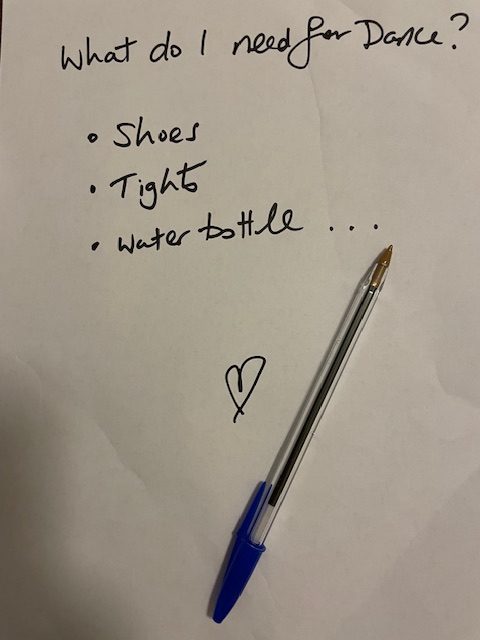
When you first introduce your child to dance, it’s important to start with the basics. Here’s a list of essential items you'll need:
a. Dancewear and Footwear:
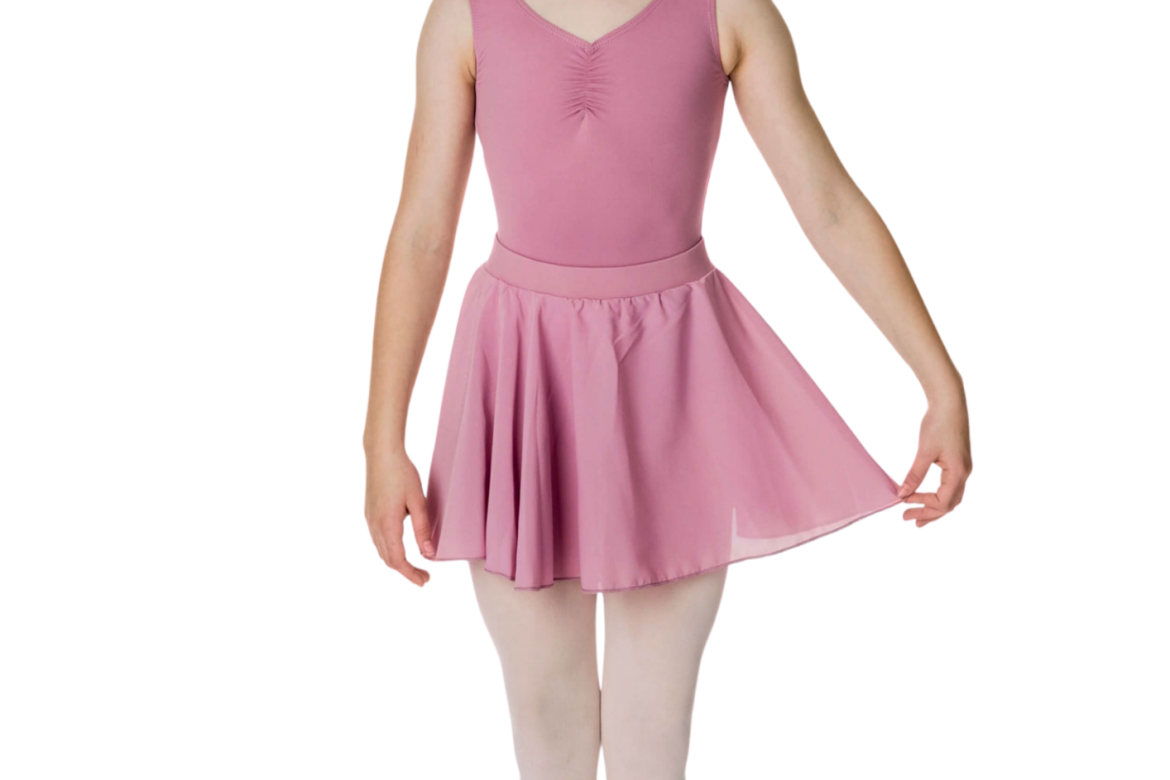
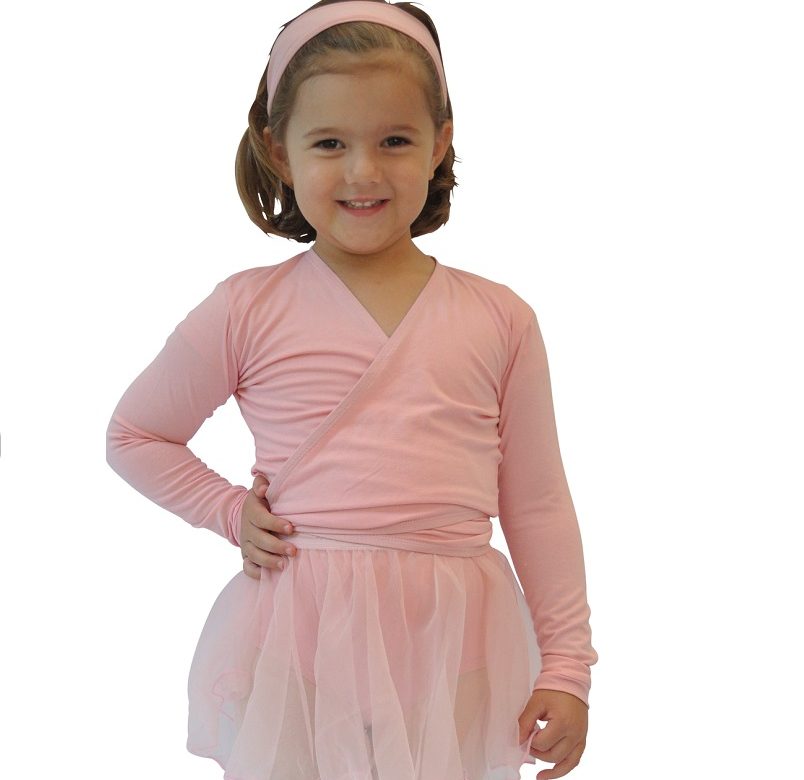
Leotards and tights: For most styles of dance, leotards and tights are the go-to attire. Check with the dance school for uniform specifications. for more information on choosing the right tights, see our blog Dance Tights Guide.
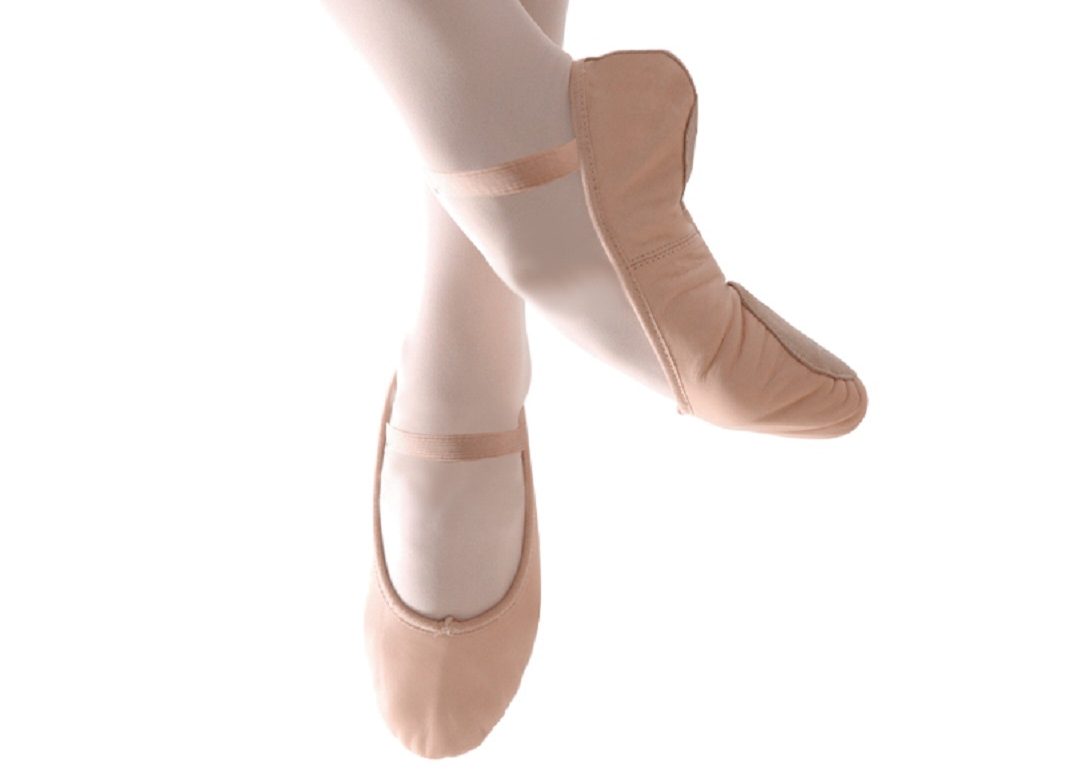
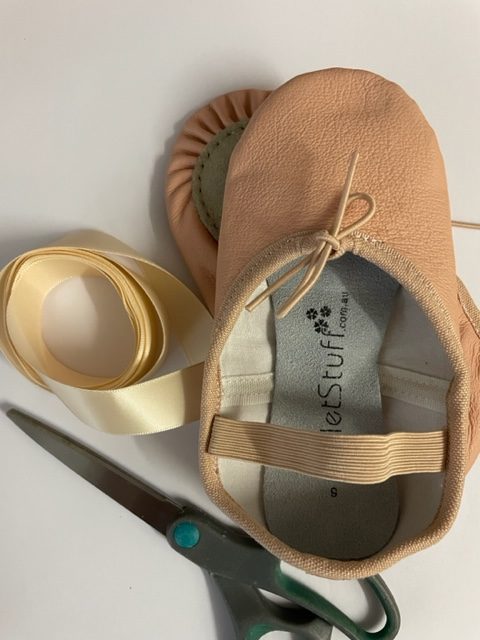
Dance shoes: The type of shoes your child needs will depend on the dance style they’re learning. Ballet requires ballet shoes, while tap will need tap shoes, and jazz dancers will need slip-on jazz shoes. For contemporary or modern dance, barefoot is common or foot thongs or half shoes. Whether it’s ballet, pointe, jazz or tap. And whether the shoes are made from canvas, leather, polyurethane or satin. These factors can all make a big difference to how you care for your shoes and keep them looking clean and tidy. It’s not what you can see on the top either, as keeping the soles clean and preserved will keep the shoes working effectively for your dance routines. For more information on how to care for your dance shoes click through to our article here How to Care for and Clean Your Ballet, Jazz & Tap Shoes.
Hair accessories: For ballet, in particular, having your child’s hair in a neat bun is usually required. A hairnet, bobby pins, and elastic bands will be your best friends. Here's some helpful tips on getting your ballet bun right Ballet bun.
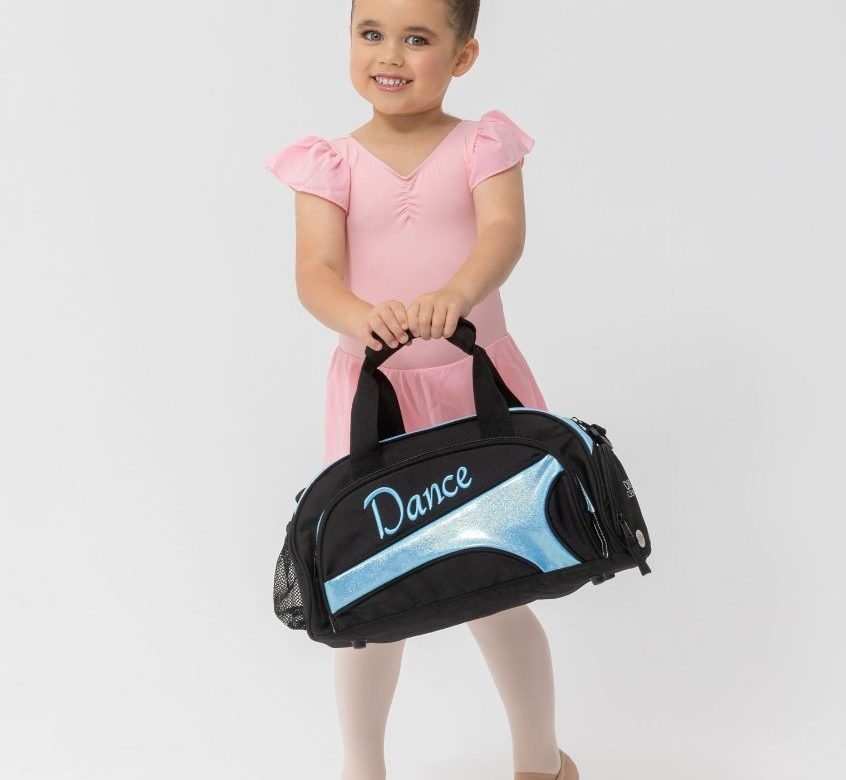
Dance bag: A dedicated dance bag helps keep all your child’s gear organized, making it easier to transport their shoes, clothing, water bottle, and other essentials. We have put together a comprehensive Dance Bag Checklist. When lesson time roles around, your child can simply grab the bag from their bedroom and it will save you worry and time.
What you wear can make a huge difference to how you feel and perform. So how to choose dancewear can be an important part in your dance journey. For further information click through to What to Consider When Choosing Dancewear.
b. Knowledge of the School's Requirements:
Each dance school may have different rules and requirements for attire, class schedules, and communication. Some schools might also ask for specific props or equipment as they move through the levels. Once you enrol your child, the studio will give you a detailed list of instructions.
2. Becoming an Organized Dance Parent
Being an organized dance parent can make all the difference, especially when juggling lessons, competitions, rehearsals, and social activities. Here are some strategies to help you stay on top of it all:
a. Create a Dance Schedule:
Keep track of class times, performance schedules, rehearsals, and family commitments with a shared calendar or planner. Most dance schools offer a parent portal or app to track class times and events. Setting reminders for upcoming performances or deadlines can help avoid last-minute stress.
b. Pack Ahead:
The night before each class or rehearsal, pack your child’s dance bag with everything they need. This will help eliminate any scrambling in the morning and give your child a sense of preparedness for the day ahead.
c. Financial Organisation:
Dance classes and competitions can be expensive. Keeping track of monthly tuition, costume fees, competition entry fees, and other associated costs is important for staying within budget. You may want to set up a separate account or budget specifically for your child’s dance expenses.
d. Communication:
Stay in touch with teachers and fellow parents. Regular communication with the dance school is key to staying updated on changes in the schedule, performance details, or any special instructions regarding your child’s progress.
3. Supporting Your Young Dancer
Supporting your dancer goes far beyond just getting them to class. It’s about fostering a love of dance and encouraging their development in a positive, healthy environment. Here’s how you can be the best support for your dancer:
a. Encourage Self-Expression:
While it’s great to encourage technical excellence, make sure your child is also enjoying the process. Let them express themselves freely and encourage them to have fun with dance. Children thrive when they feel confident in their ability to experiment and explore new movements.
b. Praise the Effort, Not Just the Outcome:
Acknowledge the hard work and commitment your child puts into each class or rehearsal. Focusing on the effort and not just the end result helps build resilience and motivation. Even if they didn’t land the pirouette or nail the choreography, praise their perseverance and willingness to try.
c. Be a Positive Role Model:
Modeling a positive attitude toward dance can help your child feel more excited and motivated. Be kind to teachers, fellow parents, and other dancers. Children pick up on this, and it fosters a supportive dance community.
d. Foster Balance:
Ensure your child maintains a healthy balance between dance, school, and other activities. Dance is a great outlet for self-discipline and passion, but it should not overshadow other important aspects of their life, like academics or social time with friends.
4. Knowing When to Let Your Child Just Dance for Fun vs. Going Competitive
As your child’s interest in dance grows, you may wonder whether they should stick to recreational classes or pursue a more competitive track. Here are some considerations to help guide this decision:
a. Recreational Dance:
If your child is enjoying dance as a fun and creative outlet, there’s no rush to push them into a competitive environment. Let them enjoy their classes, participate in recitals, and focus on personal growth and enjoyment.
b. Competitive Dance:
When your child shows a keen interest in improving, wants to challenge themselves further, or expresses interest in participating in competitions, it might be time to consider more advanced classes. Competitive dance requires more time, dedication, and practice, so it’s important to have open conversations about whether they’re truly ready for this next step.
c. Signs Your Child Is Ready:
They express interest in more serious dance training.
They enjoy taking on challenges and learning new skills.
They are committed to the process of practicing regularly.
5. Where to Find the Best Information
Navigating the world of dance can be overwhelming, especially as a new dance parent. Here are some great resources to help:
Dance Schools: Your child’s dance school is the best place to start. Teachers and staff will provide guidance on dance terminology, schedules, and important milestones.
Parent Forums: Online dance forums or social media groups can be a great way to connect with other dance parents for advice and tips.
Books and Blogs: There are many helpful books and blogs focused on dance parenting, which can give you deeper insight into what to expect as your child progresses in their dance journey.
Dance Organizations: Dance focussed organisations and websites provide useful resources for learning more about dance techniques, terminology, and competitions.
Australia has a rich and diverse dance community, with several organizations dedicated to supporting and developing dance at all levels, from recreational dance to professional and competitive dance. Here are some key Australian-based dance organizations:
1. Ausdance (Australian Dance Council)
Website: ausdance.org.au
Overview: Ausdance is one of the most prominent national dance organizations in Australia, advocating for dance as an art form, providing resources for dance professionals, and supporting the growth and development of the dance community across the country. It offers programs and initiatives to support education, policy advocacy, and dance research.
Key Areas: Advocacy, professional development, industry resources, dance education, and artistic development.
2. Dance Australia
Website: danceaustralia.com.au
Overview: Dance Australia is a leading dance publication in Australia, offering news, reviews, and information about the Australian dance scene. It supports both the professional and community dance sectors and offers resources to help dancers stay informed about the latest trends and opportunities in the industry.
Key Areas: Dance reviews, industry news, professional opportunities, and dance resources.
3. Australian Dance Theatre (ADT)
Website: australiandancetheatre.com.au
Overview: Based in Adelaide, the Australian Dance Theatre is a contemporary dance company known for its bold and innovative performances. ADT is dedicated to pushing the boundaries of dance, showcasing new choreographies, and developing the next generation of dancers and choreographers.
Key Areas: Contemporary dance, performance, choreography, and dance education.
4. Royal Academy of Dance (RAD) - Australia
Website: rad.org.au
Overview: The Royal Academy of Dance (RAD) is a globally recognized institution that has a strong presence in Australia. RAD provides accredited dance education, exams, and professional development for dance teachers. RAD offers programs for both students and teachers in various dance disciplines, including ballet, contemporary, and jazz.
Key Areas: Ballet education, teacher training, student exams, and professional development.
5. Australian Ballet
Website: australianballet.com.au
Overview: The Australian Ballet is Australia's premier ballet company and one of the country's most renowned cultural institutions. It offers world-class ballet performances and education programs, nurturing the development of Australian dancers and choreographers. The company frequently tours both nationally and internationally.
Key Areas: Classical ballet performances, training, education programs, and community outreach.
6. DanceSport Australia
Website: dancesport.org.au
Overview: DanceSport Australia is the governing body for competitive ballroom dancing in Australia. It oversees national competitions and works to promote and develop DanceSport as both a sport and an art form. The organization is also affiliated with the World DanceSport Federation (WDSF).
Key Areas: Ballroom dance, competitive dancing, events, and athlete development.
7. Australian Youth Dance Festival (AYDF)
Website: ydf.org.au
Overview: The Australian Youth Dance Festival (AYDF) is a major event that brings together young dancers from across Australia to showcase their talents and participate in workshops, performances, and collaborative projects. It aims to nurture the next generation of dancers and encourage their involvement in the broader dance community.
Key Areas: Youth dance programs, festivals, performances, and workshops.
8. The Dance Board (Australia Council for the Arts)
Website: australiacouncil.gov.au
Overview: The Dance Board is part of the Australia Council for the Arts and provides funding and support for the Australian dance community. It helps promote the development of dance as an art form and provides grants for projects and initiatives within the dance sector.
Key Areas: Funding, grants, advocacy, and support for artists and companies.
9. Australian National Dance Association (ANDA)
Website: anda.org.au
Overview: The Australian National Dance Association (ANDA) is an organization that represents dance educators and promotes high standards in dance teaching. It offers resources, professional development opportunities, and accreditation for dance teachers.
Key Areas: Dance teaching, teacher accreditation, professional development, and educational resources.
10. Contemporary Dance Australia
Website: contemporarydanceaustralia.com.au
Overview: Contemporary Dance Australia is dedicated to promoting and supporting the development of contemporary dance across Australia. The organization helps raise the profile of contemporary dance and connects dancers, choreographers, and educators in the field.
Key Areas: Contemporary dance, performances, workshops, and events.
11. National Institute of Circus Arts (NICA)
Website: nica.com.au
Overview: Based in Melbourne, NICA is Australia’s premier circus arts training institution. It offers undergraduate and graduate programs in circus arts, providing a pathway for dancers who want to explore circus performance and other physical forms of expression.
Key Areas: Circus arts, dance performance, physical theatre, and professional training.
6. Understanding Dance Terminology
Dance comes with its own unique language. When starting dance in Australia, particularly ballet, you will encounter specific terminology that forms the foundation of dance education. These terms help dancers understand the language of movement, positions, and techniques. While many of these terms are used worldwide, they are also fundamental in Australian dance schools.
Here are a few basic terms that will help you understand what’s happening in your child’s dance world:
Key Ballet Terms
Barre
The horizontal bar used in ballet studios for support during warm-up exercises. It's where dancers perform stretches, pliés, tendus, and other basic movements.
Plié
Meaning: "To bend"
A basic movement where the dancer bends their knees while keeping the feet flat on the floor. There are two main types: demi-plié (a half bend) and grand plié (a full bend).
Tendu
Meaning: "To stretch"
A movement where one leg is extended outwards from a standing position with the foot remaining on the floor, often used to warm up and stretch the muscles.
Dégagé
Meaning: "To disengage"
A quick, sharp extension of the leg where the foot comes off the floor slightly and is extended, typically performed from a tendu position.
Rond de Jambe
Meaning: "Round of the leg"
A circular movement of the leg, either on the floor (rond de jambe à terre) or in the air (rond de jambe en l'air).
Battement
Meaning: "Beating"
A movement where the leg is extended and then brought back in, or it can refer to the action of rapidly beating the legs together. This can be performed in various ways, such as grand battement (high kick) or petit battement (small beat).
Pirouette
Meaning: "Spin"
A turn performed on one leg, with the other leg in a raised position (typically in passé or relevé). The dancer spins while maintaining balance and form.
Arabesque
Meaning: A position where one leg is extended horizontally behind the body while the other leg supports the dancer’s weight. The arms are typically extended or in a specific shape to complement the pose.
Sauté
Meaning: "Jump"
A jump performed from a standing position, often executed in a variety of ways like sauté in 1st position (jumping with both feet in a turned-out position).
Relevé
Meaning: "To rise"
A movement where the dancer rises to the balls of their feet (often in plié), or from flat feet to en pointe in the case of advanced ballet dancers.
Chassé
Meaning: "To chase"
A gliding step where one foot chases the other, often done as part of traveling steps. It can be performed forward, backward, or sideways.
Glissade
Meaning: "To glide"
A gliding, sweeping movement from one foot to the other, used to transition between steps or travel across the floor.
Passé
Meaning: "To pass"
A position where one leg is bent, and the foot of the working leg passes the knee of the supporting leg. It is often used during turns (pirouettes) or as part of an adagio movement.
Fondu
Meaning: "To melt"
A smooth bending of the standing leg while the working leg is in a position (usually tendu or retiré). This exercise helps strengthen the leg muscles and improve flexibility.
Sous-sus
Meaning: "Under-over"
A position where a dancer is in a tight relevé, with the feet together in a very close fifth position (feet crossed), often used in pirouettes and jumps.
Fifth Position
Meaning: A position where both legs are turned out and the feet are placed together, with the heel of one foot touching the toe of the other. This position is fundamental in many ballet movements.
En Pointe
Meaning: "On the tiptoe"
A technique where a ballerina dances on the very tip of the toes using specially designed pointe shoes. This requires significant strength and control and is typically introduced in more advanced levels.
Échappé
Meaning: "To escape"
A movement where the feet "escape" from a closed position (like 1st or 5th position) to an open position (2nd or 4th position), either in relevé or demi-plié.
Attitude
Meaning: A position where the dancer stands on one leg, with the other leg lifted and bent at a 90-degree angle, either in front or behind the body. The arms are in specific positions that complement the pose.
Port de Bras
Meaning: "Carriage of the arms"
Refers to the movement or positioning of the arms during a dance. This includes the flow and transitions of the arms in various positions to enhance the overall movement.
Key Dance Terms (General)
Choreography
The arrangement or design of a dance or movement sequence, whether it's for a solo, duet, or group.
Jazz Hands
An expression used in jazz and musical theatre where the hands are held out with spread fingers and a wide, energetic gesture, often used to add flair to a performance.
Fouetté
A turning movement where the dancer whips one leg around while maintaining balance on the other, commonly used in turns and pirouettes.
Stretching
The fundamental practice of elongating muscles to improve flexibility, often used as a warm-up or cool-down activity in all dance styles.
Isolation
A technique where the dancer isolates and moves a specific body part (like the shoulders, hips, or head) without moving the rest of the body. This is common in jazz and contemporary dance styles.
Coupé
Meaning: "To cut"
A step where one foot "cuts" the other foot from its position, often used as a preparation for other movements, like turns or jumps.
Leap
A type of jump in which a dancer leaps from one foot to land on the other, typically traveling through the air in an extended position.
As your child progresses, learning these terms will help you communicate with teachers and other dancers, creating a stronger connection to their development.
7. What’s Important Once Your Dancer Starts Competitions
Once your child begins competing, the stakes become higher, and the environment may feel more intense. Here’s what you need to know:
a. Time Commitment:
Competitive dance requires more rehearsals and preparation. It can take up a significant amount of time, especially as competition dates draw near. Be ready to juggle the increased commitment, but ensure your child still maintains a healthy balance with schoolwork and other activities.
b. Cost Considerations:
In addition to regular tuition, there are fees for costumes, competition entry fees, travel, and sometimes private lessons. Make sure to budget accordingly and have open discussions with your child about the costs involved.
c. Emotional Support:
Competitions can be stressful, so be prepared for your child to experience nerves, frustration, and excitement. Be there to encourage them, whether they win or lose. Teach them the importance of grace, humility, and resilience in competition.
d. Teamwork and Sportsmanship:
Competitive dance often fosters a strong sense of camaraderie among dancers, but it can also create rivalry. Encourage your child to support their teammates, stay humble, and focus on the joy of dancing rather than comparing themselves to others.
e. Handling Disappointments:
Not every competition will end with a trophy. Help your child see each experience as a valuable learning opportunity, teaching them to handle setbacks with a positive mindset.
Conclusion
Being a dance parent is a rewarding journey that requires time, organization, and a whole lot of support. Whether your child is in their first ballet class or prepping for their first competition, your involvement is crucial to their success. Stay informed, stay organized, and most importantly, keep fostering your child’s love for dance. With your guidance, they’ll not only grow as dancers but as individuals who can appreciate the value of hard work, passion, and creativity.